Up next in 10


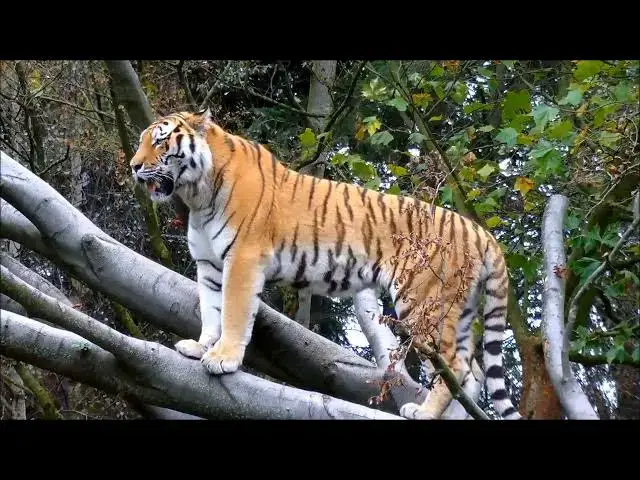
Discover how tigers indirectly combat climate change by influencing forest carbon cycles. This video explores the connection between tiger populations and increased carbon storage in forests, highlighting the importance of preserving these apex predators for both biodiversity and climate regulation.
Show More Show Less View Video Transcript
0:00
Tigers Nature's unexpected climate
0:03
Defender Tigers The Majestic apex
0:07
predators of many Asian forests play a
0:10
far more crucial role in our ecosystem
0:13
than previously thought recent Studies
0:16
have uncovered a fascinating connection
0:18
between tiger populations and carbon
0:21
cycling in forests revealing how these
0:24
big cats indirectly contribute to
0:26
climate change
0:27
mitigation carbon cycling is the process
0:31
by which carbon atoms move through the
0:33
Earth's biological and physical
0:37
systems in forests this cycle involves
0:41
trees and other plants absorbing carbon
0:43
dioxide from the atmosphere during
0:46
photosynthesis storing carbon in their
0:48
biomass and soil and releasing it back
0:51
into the atmosphere through respiration
0:54
and
0:55
decomposition so how do tigers fit into
0:58
this picture
1:00
presence of tigers in a forest creates
1:03
what ecologists call a trophic
1:06
Cascade this is a domino effect that
1:09
starts at the top of the food chain and
1:12
ripples down through the entire
1:15
ecosystem when tigers are present they
1:18
keep herbivore populations in
1:20
check this might not seem immediately
1:24
relevant to carbon cycling but it has
1:27
profound
1:28
implications with fewer herbivores
1:31
roaming the forest there is less grazing
1:34
pressure on
1:36
vegetation this allows trees and other
1:38
plants to grow more abundantly and reach
1:41
larger
1:42
sizes larger more numerous trees mean
1:46
more carbon dioxide is absorbed from the
1:48
atmosphere and more carbon is stored in
1:51
the forest's biomass and soil
1:54
furthermore the fear of predation by
1:56
tigers Alters the behavior of herbivore
2:01
they become more Vigilant and spend less
2:03
time in open areas allowing vegetation
2:06
in these spaces to
2:08
flourish this phenomenon known as the
2:11
landscape of fear further enhances the
2:14
forest's ability to sequester
2:16
carbon research has shown that forests
2:20
with healthy tiger populations can store
2:23
up to 40% more carbon than those without
2:27
tigers this significant increase in
2:30
carbon storage capacity underscores the
2:33
vital role these Predators play in
2:36
mitigating climate
2:38
change the relationship between tiger
2:41
populations and carbon cycling
2:43
highlights the intricate
2:45
interconnectedness of
2:47
ecosystems it demonstrates how the loss
2:50
of a single species can have
2:52
far-reaching
2:53
consequences that extend beyond the
2:55
immediate food
2:57
web this discovery adds a new dimension
3:00
to Tiger conservation
3:02
efforts not only are we preserving a
3:04
magnificent species and maintaining
3:07
biodiversity but we are also indirectly
3:11
fighting climate
3:13
change by protecting Tigers and their
3:15
habitats we are safeguarding natural
3:18
carbon sinks that play a crucial role in
3:21
regulating our planet's climate the link
3:25
between tiger populations and carbon
3:28
cycling serves as a powerful reminder of
3:31
the complex ways in which nature
3:34
maintains
3:35
balance it underscores the importance of
3:38
preserving intact ecosystems and the
3:41
dangers of overlooking the subtle yet
3:43
critical roles that species play in
3:46
their
3:47
environments as we continue to Grapple
3:49
with the challenges of climate change
3:52
insights like these highlight the need
3:55
for holistic approaches to conservation
3:57
and Environmental Management
4:00
by understanding and preserving the
4:03
delicate balance of our
4:05
ecosystems we can harness Nature's Own
4:08
mechanisms to combat global
4:10
warming the story of tigers and carbon
4:13
cycling is a testament to the often
4:15
unexpected ways in which nature
4:18
operates it reminds us that in the
4:21
intricate Web of Life every strand is
4:24
connected and the loss of even one can
4:27
unravel the entire system
4:30
as we move forward in our fight against
4:32
climate change let us remember the
4:34
Tigers silent Guardians of the forest
4:37
playing their part in maintaining the
4:39
health of our planet
#Wildlife
#Wildlife
#Ecology & Environment
#Climate Change & Global Warming