Up next in 10


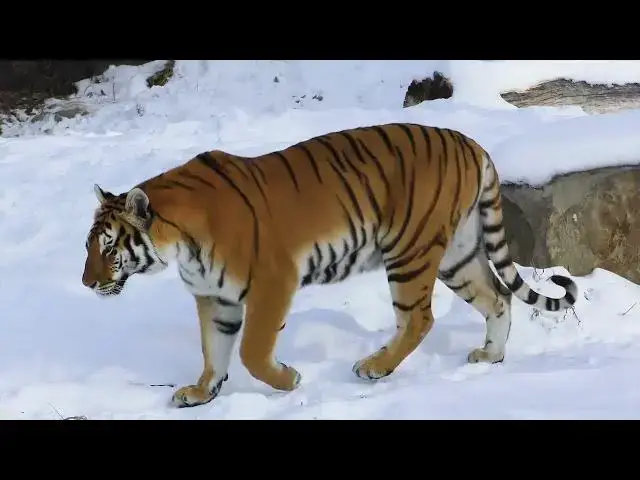
Discover how scientists use tiger paw impressions to monitor and protect these endangered big cats. Learn about the process of collecting and analyzing footprints, the advantages of this non-invasive technique, and its crucial role in tiger conservation efforts.
Show More Show Less View Video Transcript
0:00
tiger cor prins Nature's hidden clues
0:03
for
0:04
conservation in the dense jungles of
0:06
Asia a silent conversation un foes
0:09
between tigers and the scientists who
0:12
study them the key to this dialogue lies
0:15
not in words but in the Impressions left
0:18
behind by Massive
0:20
pores tiger po Impressions have become
0:23
an invaluable tool for wildlife
0:26
researchers offering a noninvasive way
0:29
to monitor these elusive big cats and
0:32
gain crucial insights into their
0:35
populations and
0:37
behaviors tiger po Impressions also
0:40
known as pug marks are the footprints
0:43
left behind by tigers as they move
0:45
through their
0:46
habitat these Impressions can be found
0:49
in soft mud sand or even snow providing
0:53
a wealth of information about the animal
0:55
that made them each print is as unique
0:59
as a human fingerprint allowing
1:01
scientists to identify individual tigers
1:05
and track their movements over time
1:08
collecting and analyzing tiger paw
1:11
Impressions is a meticulous
1:13
process researchers Venture into tiger
1:17
habitats carefully searching for Clear
1:20
well-defined
1:21
prints when a suitable impression is
1:24
found they create a plaster cast or take
1:27
high resolution photographs for later an
1:30
analysis back in the lab these
1:32
impressions are studied in detail with
1:35
experts measuring the size shape and
1:38
spacing of the pads and
1:40
Toes Advanced Computer Software is often
1:43
used to compare New Impressions with
1:46
existing databases helping to identify
1:49
known individuals or discover new
1:52
ones this method of wildlife monitoring
1:55
offers several significant
1:57
advantages first and foremost it is
2:00
completely noninvasive causing no stress
2:04
or harm to the
2:06
Tigers this is particularly important
2:09
for endangered species where minimizing
2:11
human impact is crucial th Impressions
2:15
also provide a coste effective
2:17
alternative to more expensive monitoring
2:20
techniques like GPS coloring or camera
2:24
trapping additionally they can offer
2:26
insights into tiger Behavior such as
2:29
hunting p patterns or territorial
2:31
movements that might be difficult to
2:33
observe
2:34
directly however using tiger pow
2:37
impressions for monitoring is not
2:39
without its
2:40
challenges wether conditions can quickly
2:43
erode or distort prints making them
2:46
difficult to
2:47
analyze dense vegetation or hard terrain
2:52
can limit the areas where usable
2:54
Impressions can be
2:56
found there's also the risk of
2:58
misidentification
3:00
as prints from different individuals can
3:03
sometimes appear similar especially to
3:05
less experienced
3:07
observers despite these limitations many
3:10
researchers consider the benefits of
3:12
this method to outweigh its
3:15
drawbacks the information gathered from
3:18
Tiger po Impressions plays a vital role
3:21
in conservation
3:22
efforts by providing accurate population
3:26
estimates and tracking individual Tigers
3:29
over over time scientists can assess the
3:32
health of tiger populations and the
3:35
effectiveness of conservation
3:38
strategies this data helps Wildlife
3:41
managers make informed decisions about
3:43
habitat protection anti-poaching
3:45
measures and other conservation
3:48
initiatives tiger poor Impressions offer
3:52
a unique window into the Secret Lives of
3:55
these magnificent
3:57
creatures as we continue to refine our
3:59
techniques for collecting and analyzing
4:02
these natural signatures we gain ever
4:05
deeper insights into the world of
4:08
tigers this knowledge is not just
4:11
scientifically valuable it's essential
4:14
for ensuring the survival of these
4:17
iconic predators in an increasingly
4:20
human dominated world every B print
4:24
tells a story and by learning to read
4:27
them we're writing a brighter future for
4:29
tigers and the ecosystems they inhabit
#Pets & Animals
#Wildlife
#Wildlife
#Ecology & Environment