Up next in 10


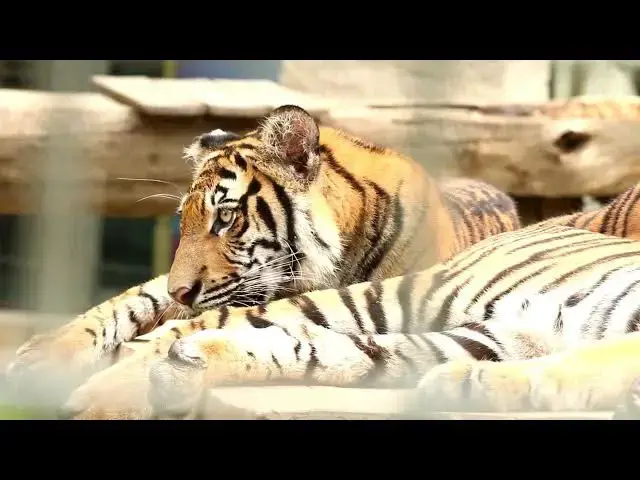
Explore how camera flashes impact tigers and learn about ethical wildlife photography techniques. Discover why photographers are moving away from flash and adopting alternative methods to capture these magnificent creatures without causing stress or disruption to their natural behavior.
Show More Show Less View Video Transcript
0:00
tiger
0:01
photography flash effects and ethical
0:05
Alternatives Tigers majestic creatures
0:08
of the wild have long captivated
0:11
photographers seeking to capture their
0:14
beauty how do these big cats react when
0:18
faced with the sudden burst of a camera
0:21
flash this question is not just about
0:24
getting the perfect shot but also about
0:26
respecting wildlife and ensuring their
0:29
wellbeing being Tigers like many feline
0:33
species Have Eyes adapted for low likee
0:37
conditions their night vision is
0:40
significantly better than humans thanks
0:43
to a layer of tissue behind their
0:45
retinas called the tapetum
0:49
lucidum this adaptation allows them to
0:52
see clearly in dim light but it also
0:56
makes them more sensitive to Bright
0:58
flashes
1:00
when a photographer uses flash Tigers
1:03
the effects can be quite
1:05
dramatic the sudden intense burst of
1:08
light can startle and disorient them
1:12
their pupils which are usually wide in
1:15
their natural habitat contract rapidly
1:17
in response to the
1:19
flash this can cause temporary blindness
1:23
lasting anywhere from a few seconds to
1:25
several
1:26
minutes Tigers typically respond to
1:29
flash for Photography in one of three
1:32
ways some may become visibly agitated
1:35
showing signs of stress such as
1:37
flattened ears bed teeth or a swishing
1:41
tail others might free the area
1:45
potentially disrupting their natural
1:46
behaviors like hunting or caring for
1:49
Cubs in rare cases a startled tiger
1:53
might even become aggressive posing a
1:55
danger to the photographer and others
1:58
nearby given these concerns Wildlife
2:02
photographers are increasingly moving
2:04
away from flash photography when
2:06
capturing images of
2:08
tigers instead they are adopting
2:11
alternative
2:13
techniques using High ESO settings on
2:16
Modern digital cameras allows for
2:18
clearer low light shots without the need
2:21
for
2:22
Flash T photo lenses enable
2:25
photographers to capture detailed images
2:28
from a safe distance min minimizing
2:30
disturbance to the
2:32
animals some photographers are also
2:34
turning to infrared or thermal imaging
2:38
cameras these Technologies can capture
2:41
unique nighttime images of tigers
2:44
without visible light that might disturb
2:47
them while these images may not have the
2:50
same visual appeal as traditional
2:52
photographs they offer valuable insights
2:54
into tiger Behavior without causing
2:57
stress to the
2:58
animals for the those determined to
3:00
photograph Tigers the best approach is
3:03
to prioritize the animals well-being
3:06
over getting the perfect
3:08
shot use natural light whenever possible
3:11
even if it means photographing during
3:14
the day when tigers are less
3:16
active if artificial light is necessary
3:20
consider using continuous low intensity
3:24
lighting that allows Tiger's eyes to
3:26
adjust gradually rather than sudden
3:28
flashes
3:30
remember the goal of wildlife
3:33
photography should be to document and
3:35
appreciate these magnificent creatures
3:38
in their natural state not to alter
3:41
their behavior for the sake of a
3:43
photograph by understanding and
3:45
respecting how Tigers respond to flash
3:48
photography we can capture their beauty
3:50
while ensuring their conservation and
3:52
well-being in the wild
#Outdoors
#Pets & Animals
#Wildlife
#Hunting & Shooting