Up next in 10


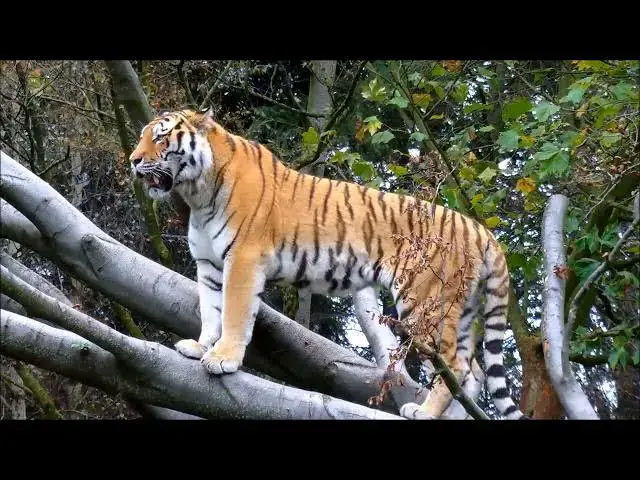
Discover how tigers, as apex predators, play a vital role in forest regeneration. Learn about their impact on prey species, vegetation growth, and overall ecosystem health. This video explores the importance of tiger conservation for maintaining balanced and thriving forest environments.
Show More Show Less View Video Transcript
0:00
Tigers Nature's Forest
0:02
Guardians tigers are more than just
0:05
Majestic
0:07
Predators these Apex carnivals play a
0:11
crucial role in shaping the very forests
0:14
they
0:15
inhabit today we explore how Tigers
0:19
impact Forest regeneration a process
0:22
vital for maintaining healthy
0:25
ecosystems Forest regeneration is the
0:28
natural process by which forests recover
0:31
from disturbances and renew
0:34
themselves this includes the growth of
0:37
new trees the establishment of
0:40
understory plants and the cycling of
0:43
nutrients tigers as top predators
0:47
influence this process in both direct
0:49
and indirect
0:51
ways the direct impact of tigers on
0:54
vegetation is relatively
0:56
minimal unlike herbivores tigers do not
1:00
consume plants as a primary food
1:03
source however their movement through
1:05
the forest can create small disturbances
1:08
that allow sunlight to reach the forest
1:11
floor potentially aiding in the
1:13
germination of certain plant
1:16
species the more significant impact of
1:19
tigers on Forest regeneration comes
1:22
through their influence on prey
1:24
species Tigers primarily hunt ulates
1:28
such as deer and Wild
1:30
B these herbivores if left unchecked can
1:35
overgraze vegetation and prevent the
1:37
growth of young
1:39
trees by controlling herbivore
1:41
populations Tigers help maintain a
1:44
balance that allows for proper Forest
1:47
regeneration this Predator prey Dynamic
1:51
creates a cascading effect throughout
1:54
the
1:55
ecosystem with a healthy tiger
1:58
population herbivore numbers are kept in
2:00
check reducing pressure on
2:03
vegetation this allows for a more
2:05
diverse plant Community including the
2:08
successful growth of tree saplings that
2:10
will eventually form the next generation
2:12
of the forest
2:14
canopy furthermore the presence of
2:16
tigers influences the behavior of their
2:19
prey herbivores May avoid certain areas
2:23
due to the risk of predation creating
2:25
safe spaces for vegetation to
2:28
flourish this phenomen known as the
2:30
landscape of fear contributes to a more
2:33
heterogeneous Forest structure enhancing
2:37
biodiversity Tigers also indirectly
2:40
contribute to nutrient cycling in the
2:42
forest the carcasses of their prey
2:45
provide food for scavengers and
2:47
decomposers returning vital nutrients to
2:50
the
2:50
soil this process supports the growth of
2:54
plants and maintains the overall health
2:57
of the forest ecosystem
3:00
the impact of tigers on Forest
3:02
regeneration underscores the importance
3:04
of their
3:06
conservation as tiger populations
3:08
decline due to habitat loss and poaching
3:11
we risk disrupting the delicate balance
3:13
of forest
3:15
ecosystems protecting Tigers is not just
3:19
about saving a single species but about
3:21
preserving the complex web of
3:24
interactions that maintain healthy
3:26
regenerating
3:28
forests if in essence tigers are not
3:32
just inhabitants of the forest they are
3:34
active participants in its renewal and
3:38
vitality their presence ensures a
3:41
balanced ecosystem where trees can grow
3:44
plants can Thrive and the forest can
3:47
continually
3:49
regenerate by understanding and
3:51
protecting the role of tigers in forest
3:54
ecosystems we Safeguard the future of
3:57
our planet's vital green spaces so
#Wildlife
#Biological Sciences
#Ecology & Environment
#Hunting & Shooting