Up next in 10


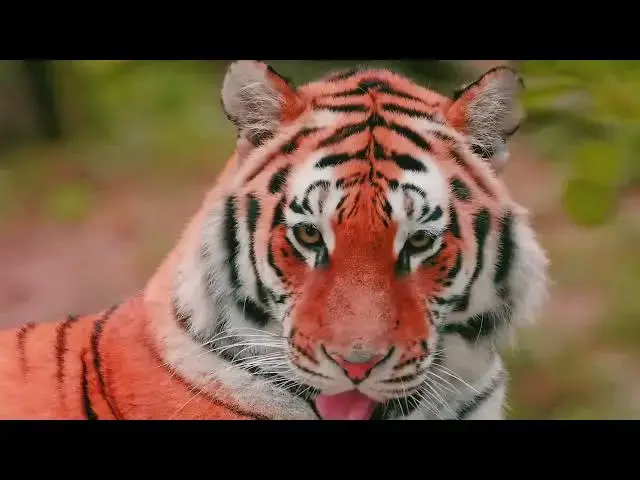
Explore the aging process of tigers in their natural habitats. Learn about their lifespan, physical changes, and behavioral adaptations as they grow older. Discover the challenges faced by aging tigers and the importance of this natural process in maintaining ecosystem balance.
Show More Show Less View Video Transcript
0:00
how Tigers age in the wild challenges
0:03
and
0:04
adaptation Tigers The Majestic big cats
0:08
that rule the jungles and grasslands
0:10
face a multitude of challenges
0:12
throughout their
0:14
lives but how do these apex predators
0:17
handle the inevitable process of Aging
0:19
in the
0:20
wild in their natural habitats Tigers
0:23
typically live between 10 to 15
0:26
years this lifespan is sign
0:29
significantly shorter than their captive
0:32
counterparts who can live up to 25 years
0:35
in
0:36
zoos the harsh realities of life in the
0:39
wild including competition for territory
0:42
hunting challenges and potential
0:44
conflicts with humans contribute to this
0:47
shortened
0:48
lifespan as Tigers age they undergo
0:51
various physical
0:53
changes their once vibrant orange coat
0:58
May begin to fade and their black
1:00
stripes can lose some of their sharp
1:03
contrast muscles that once propelled
1:06
them to chase down prey with Incredible
1:09
speed and power gradually
1:11
weaken their teeth crucial for hunting
1:14
and eating wear down over time making it
1:18
more difficult to capture and consume
1:21
prey
1:23
efficiently older Tigers often adapt
1:25
their behavior to compensate for these
1:28
physical changes
1:30
they may become more strategic in their
1:32
hunting techniques relying more on
1:34
ambush tactics rather than high-speed
1:38
chases they might also focus on smaller
1:41
or easier to catch prey to conserve
1:43
energy and increase their chances of a
1:46
successful hunt the challenges faced by
1:49
aging tigers in the wild are
1:52
numerous younger stronger Tigers May
1:55
challenge them for territory pushing
1:57
them into less favorable hunting grounds
2:01
the struggle to maintain their hunting
2:03
skills and success rate becomes
2:05
increasingly difficult potentially
2:07
leading to malnutrition and further
2:09
Health
2:10
decline interestingly while wild tigers
2:14
face these hardships as they age captive
2:16
Tigers often experience different age
2:19
related
2:20
issues in
2:22
zoos where food is provided and Medical
2:25
Care is available tigers can live much
2:29
longer
2:30
however they may face problems related
2:33
to obesity and inactivity which are
2:36
rarely seen in their wild
2:40
counterparts understanding how Tigers
2:42
handle Aging in the wild is crucial for
2:45
conservation
2:47
efforts this knowledge helps Wildlife
2:50
managers and conservationists develop
2:53
strategies to protect older tigers and
2:56
maintain healthy balanced populations
3:00
it also highlights the importance of
3:02
preserving large interconnected habitats
3:06
that can support Tigers throughout their
3:08
entire life cycle the aging process in
3:12
wild tigers serves as a reminder of the
3:15
circle of life in
3:17
nature while it may seem harsh it plays
3:20
a vital role in maintaining the balance
3:22
of
3:24
ecosystems as old Tigers eventually give
3:26
way to younger Generations they
3:29
contribute to to the ongoing Evolution
3:31
and adaptation of these magnificent
3:33
creatures in their everchanging
3:35
environments
#Aging & Geriatrics
#Wildlife
#Biological Sciences
#Ecology & Environment