Up next in 10


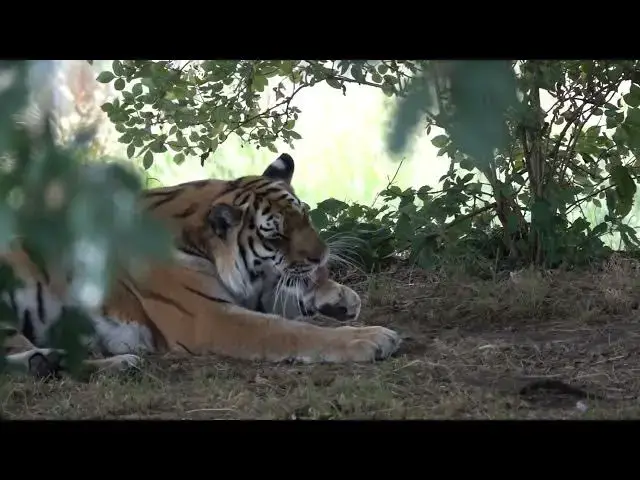
Explore how tigers cope with drought conditions, their natural adaptations, and the conservation efforts helping them survive. Learn about the challenges these big cats face as climate change alters their habitats, and discover the strategies being implemented to protect tiger populations in an increasingly dry world.
Show More Show Less View Video Transcript
0:00
how Tigers survive drought adaptations
0:03
and
0:04
conservation Tigers The Majestic big
0:08
cats of Asia are known for their
0:10
strength and
0:12
adaptability but how do these powerful
0:14
Predators fair when faced with one of
0:17
Nature's most challenging phenomena
0:20
drought this question is becoming
0:23
increasingly important as climate change
0:26
Alters weather patterns across the globe
0:29
Dr out conditions can significantly
0:32
impact tiger populations by affecting
0:35
their habitat and prey
0:37
availability as water sources dry up
0:40
vegetation becomes scarce leading to a
0:43
decrease in the number of herbivores
0:46
that Tigers rely on for
0:48
food this scarcity can force Tigers to
0:51
expand their territories potentially
0:54
leading to increased conflicts with
0:56
humans and other
0:58
Tigers despite these challenges tigers
1:01
have evolved several adaptations that
1:03
help them cope with dry
1:06
conditions their large territories allow
1:08
them to travel long distances in search
1:11
of water and
1:12
prey tigers are also excellent swimmers
1:16
and can cool off in rivers and lakes
1:18
during hot dry
1:20
periods their striped coats provide
1:22
camouflage in the dappled light of
1:24
drought stressed forests helping them to
1:28
hunt more effectively and challenging
1:31
conditions however prolonged drought can
1:34
push even these adaptable predators to
1:37
their
1:38
limits as water becomes scarce Tigers
1:41
may be forced to venture closer to human
1:43
settlements in search of
1:46
resources this increases the risk of
1:49
human tiger conflict and can lead to
1:52
retaliatory
1:53
killings additionally drought can make
1:56
Tigers more susceptible to diseases and
1:59
parasites due to weakened immune systems
2:02
caused by malnutrition and
2:05
dehydration conservation efforts play a
2:07
crucial role in helping Tigers survive
2:10
drought
2:11
conditions these include maintaining and
2:14
restoring natural water sources within
2:17
tiger habitats creating Wildlife
2:19
corridors to allow Tigers to move
2:22
between fragmented Forest areas and
2:25
implementing Water Management strategies
2:27
that benefit both wildlife and local
2:31
communities protecting and expanding
2:34
tiger habitats is also
2:37
essential larger more diverse habitats
2:40
provide tigers with a better chance of
2:42
finding food and water during dry
2:45
periods conservation organizations are
2:48
working to reforest degraded areas and
2:51
connect isolated patches of tiger
2:53
habitat to create more resilient
2:57
ecosystems understanding how tigers cope
3:00
with drought is crucial for their
3:02
long-term
3:03
survival as climate change continues to
3:06
alter weather patterns it's likely that
3:09
many tiger populations will face more
3:12
frequent and severe droughts in the
3:15
future by studying their responses to
3:18
these conditions and implementing
3:20
effective conservation strategies we can
3:22
help ensure that these magnificent
3:25
animals continue to thrive in the wild
3:27
for generations to come
3:30
the ability of tigers to adapt to
3:32
Drought conditions is a testament to
3:34
their
3:36
resilience however they cannot face
3:38
these challenges
3:40
alone it's up to us to protect their
3:42
habitats maintain critical water sources
3:46
and reduce human tiger
3:48
Conflict by doing so we can give these
3:52
iconic Predators the best chance of
3:55
survival in an increasingly
3:57
unpredictable world
#Wildlife
#Biological Sciences
#Ecology & Environment
#Climate Change & Global Warming
#Zoos, Aquariums & Preserves