live_tv
Livestream Starting Soon
00
Hours
:
00
Minutes
:
00
Seconds
Up next in 10


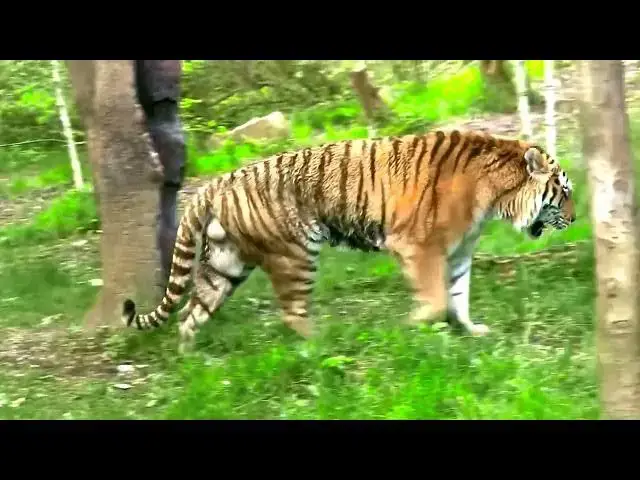
Discover the natural defenses and adaptations tigers use to combat parasites in their habitats. From grooming techniques to immune system responses, learn how these big cats manage both external and internal parasitic threats, and why understanding this struggle is crucial for tiger conservation efforts.
Show More Show Less View Video Transcript
0:00
how tigers fight parasites in the
0:03
while Tigers The Majestic big cats of
0:07
Asia face numerous challenges in their
0:09
natural
0:10
habitats while we often think of habitat
0:13
loss and human conflict as their primary
0:16
threats there's another less visible
0:18
enemy the Tigers must contend with
0:22
parasites these tiny Invaders can have a
0:25
significant impact on a tiger's health
0:27
and
0:28
survival so how do these powerful
0:31
Predators deal with parasites in the
0:34
wild parasites are organisms that live
0:37
on or inside a host benefiting at the
0:40
host's
0:42
expense in the wild tigers can be
0:45
affected by various parasites including
0:48
ticks fleas intestinal worms and even
0:52
microscopic blood
0:54
parasites these unwelcome guests can
0:57
cause a range of health issues
1:00
from minor irritations to severe
1:02
diseases that may impact a tiger's
1:05
ability to hunt and
1:07
survive one of the most common external
1:10
parasites affecting Tigers is the
1:13
tick these blood sucking arachnids
1:17
attach themselves to the Tiger's skin
1:19
potentially transmitting diseases and
1:22
causing
1:23
discomfort tigers have developed a few
1:26
natural ways to deal with
1:28
dicks they frequently gruel themselves
1:31
using their rough tongues which can
1:33
dislodge ticks and other external
1:37
parasites Tigers also engage in
1:40
behaviors like rubbing against trees or
1:42
rolling in the grass which can help
1:44
remove parasites from their fur internal
1:48
parasites such as intestinal worms pose
1:51
a different
1:52
challenge Tigers May inadvertently
1:55
ingest these parasites through
1:58
contaminated water or by consuming
2:01
infected prey to combat these Invaders
2:05
tigers have evolved robust immune
2:07
systems that can often keep parasite
2:10
populations in
2:12
check additionally their carnivorous
2:14
diet which is high in protein and low in
2:18
carbohydrates creates an environment in
2:20
their digestive system that is less
2:22
hospitable to some types of
2:25
parasites tigers have also developed
2:28
behavioral adaptations to minimize
2:31
parasite
2:32
exposure they often avoid areas with
2:35
high concentrations of biting insects
2:38
preferring to rest in shaded Breezy
2:40
spots during the heat of the day when
2:43
available Tigers will immerse themselves
2:46
in water which not only helps them cool
2:48
off but can also drown or dislodge
2:51
external
2:53
parasites the environment plays a
2:55
crucial role in how Tigers manage
2:58
parasites then forests with diverse
3:01
plant life can provide natural
3:04
anti-parasitic
3:06
compounds tigers have been observed
3:09
chewing on certain plants or rubbing
3:11
against specific trees behaviors that
3:14
might help repel insects or alleviate
3:17
skin irritations caused by
3:20
parasites despite these natural defenses
3:23
parasites remain a constant challenge
3:25
for wild
3:27
tigers understanding the comp Le Lex
3:30
relationship between Tigers and their
3:32
parasites is crucial for wildlife
3:35
conservation
3:36
efforts by studying how these
3:39
magnificent animals cope with parasites
3:41
in their natural habitat researchers can
3:44
better assess the health of tiger
3:46
populations and develop more effective
3:49
conservation
3:50
strategies in the grand tapestry of
3:53
nature the Tiger's battle against
3:55
parasites is just one thread but it's a
3:58
vital one it demonstrates the incredible
4:03
adaptations these animals have developed
4:05
over Millennia and reminds us of the
4:08
delicate balance that exists in
4:11
ecosystems as we continue to work
4:13
towards protecting these endangered big
4:15
cats considering their full range of
4:18
survival challenges including parasite
4:20
management will be key to ensuring their
4:23
future in the wild
#Wildlife
#Biological Sciences
#Ecology & Environment