Up next in 10


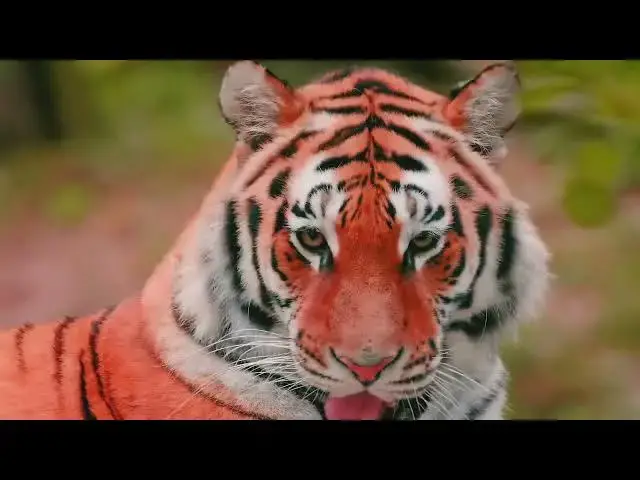
Explore how tigers are adapting to survive near human settlements. Learn about changes in their behavior, diet, and habitat use as they navigate the challenges of living in close proximity to people. This video examines the resilience of these big cats and the conservation efforts needed to ensure their future.
Show More Show Less View Video Transcript
0:00
Tigers
0:01
adapt survival in human dominated
0:05
Landscapes Tigers The Majestic big cats
0:09
of Asia are known for their strength and
0:11
stealth in dense
0:13
forests but what happens when these apex
0:16
predators find themselves living on the
0:19
edge of human
0:21
settlements this is the story of how
0:24
Tigers adapt to survive in a world
0:26
increasingly dominated by humans
0:30
as human populations expand and encroach
0:33
upon tiger habitats these animals are
0:36
forced to navigate a complex landscape
0:39
of villages farms and fragmented
0:43
forests this proximity has led to a
0:46
fascinating array of adaptations that
0:48
allow Tigers to coexist with their human
0:51
neighbors albeit not always
0:54
peacefully one of the most significant
0:56
changes in Tiger behavior is their shift
0:59
in activity
1:00
patterns traditionally tigers are
1:04
crepuscular meaning they are most active
1:07
during Dawn and
1:08
dusk however Tigers living near human
1:12
settlements have become more
1:15
nocturnal they now conduct most of their
1:17
hunting and movement under the cover of
1:20
darkness when human activity is at its
1:23
lowest this adaptation reduces the
1:27
likelihood of encounters with people and
1:29
LIF stock tigers have also modified
1:33
their diet in response to living near
1:36
humans while they still prefer their
1:38
natural prey like deer and wild boar
1:41
some tigers have learned to prey on
1:43
domestic animals such as cattle and
1:46
goats this dietary shift is often a
1:50
result of declining natural prey
1:52
populations due to habitat loss and
1:56
competition with human
1:58
Hunters however it also increases the
2:01
risk of conflict with local communities
2:04
who depend on these domestic animals for
2:06
their
2:07
livelihoods another intriguing
2:10
adaptation is the development of a
2:12
certain level of tolerance for human
2:15
presence Tigers living near Villages
2:18
have been observed to become more
2:19
accustomed to human sounds and
2:22
sents they learn to navigate through
2:25
areas of human activity using cover and
2:28
natural corridors to move between Forest
2:32
patches this increased tolerance however
2:36
does not mean tigers have become less
2:38
dangerous or more
2:40
approachable tigers have also adapted
2:42
their territory size and
2:45
usage in areas with high human density
2:49
Tigers often maintain smaller
2:51
territories compared to those in
2:52
undisturbed
2:54
forests they make more efficient use of
2:57
the available space often utilizing
3:00
narrow strips of forest or vegetation
3:02
along rivers and between agricultural
3:04
Fields as travel
3:06
corridors interestingly some tigers have
3:09
even learned to use human-made
3:11
structures to their
3:12
advantage there have been instances of
3:15
tigers using abandoned buildings or
3:17
dense crop Fields as temporary shelter
3:20
or as sites for raising their
3:23
cubs this opportunistic use of human
3:28
altered landscape showcases the Tiger's
3:33
adaptability however these adaptations
3:36
come with significant challenges and
3:39
consequences the proximity to humans
3:42
increases the risk of poaching as tigers
3:45
become more accessible to those seeking
3:47
to profit from the illegal Wildlife
3:50
trade additionally tigers that become
3:53
habituated to praying on livestock are
3:55
often targeted for elimination further
3:58
threatening their already vulnerable
4:01
populations the adaptations of tigers to
4:04
human dominated Landscapes also have
4:07
broader ecological
4:09
implications as top predators Tigers
4:13
play a crucial role in maintaining
4:15
ecosystem
4:16
balance their presence even in human
4:20
modified habitats can help control
4:23
populations of prey species that might
4:26
otherwise cause crop damage or spread
4:29
diseases is it is important to note that
4:33
while these adaptations demonstrate the
4:35
resilience of tigers they are not a
4:37
long-term solution for Tiger
4:40
conservation the ideal scenario Remains
4:43
the preservation and restoration of
4:45
large connected tracts of natural
4:48
habitat where tigers can Thrive without
4:51
constant human
4:53
interaction as we continue to share our
4:56
planet with these magnificent creatures
4:58
it is crucial we develop comprehensive
5:01
conservation
5:03
strategies these should include habitat
5:05
protection Corridor restoration and
5:08
Community Based initiatives that promote
5:12
coexistence between humans and
5:15
tigers by understanding and respecting
5:18
the adaptations of tigers we can work
5:20
towards a future where both humans and
5:23
these iconic big cats can thrive in
5:26
harmony
#Pets & Animals
#Wildlife
#Ecology & Environment
#Tourist Destinations
#Zoos, Aquariums & Preserves
#Hunting & Shooting