live_tv
Livestream Starting Soon
00
Hours
:
00
Minutes
:
00
Seconds
Up next in 10


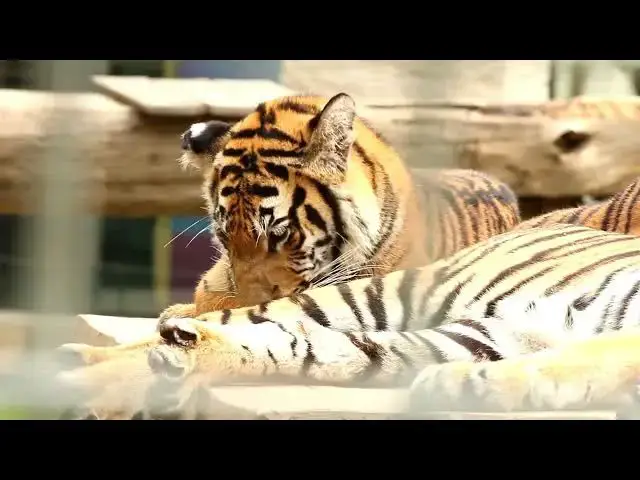
Explore how cloning technology could help preserve endangered tigers. Learn about the potential benefits, challenges, and ethical considerations of using cloning in tiger conservation efforts. Discover the role this cutting-edge science might play in protecting these iconic big cats for future generations.
Show More Show Less View Video Transcript
0:00
can cloning save tigers from
0:03
Extinction Tigers The Majestic big cats
0:06
that once roamed vast stretches of Asia
0:09
are now on the brink of
0:12
Extinction with only a few thousand left
0:14
in the wild scientists are turning to
0:17
Cutting Edge solutions to preserve these
0:20
iconic
0:22
animals one such solution that has
0:24
garnered attention is cloning
0:27
technology but how exactly
0:30
could cloning help in the fight to save
0:33
tigers cloning is a process that creates
0:37
an exact genetic copy of an
0:41
organism it involves taking the DNA from
0:44
one animal and inserting it into an egg
0:47
cell that has had its own DNA
0:50
removed this egg is then implanted into
0:53
a surate mother who carries and gives
0:56
birth to the cloned animal in the
0:59
context of tiger conservation cloning
1:02
could potentially be used to increase
1:04
the genetic diversity of captive tiger
1:07
populations many captive tigers are
1:11
inbred which can lead to health problems
1:14
and reduced
1:16
fertility by cloning tigers with
1:19
valuable genetic traits conservationists
1:22
could introduce new genetic material
1:25
into these populations making them
1:27
healthier and more resilient
1:30
cloning could also be used to resurrect
1:33
subspecies of tigers that have already
1:36
gone extinct such as the Caspian tiger
1:39
or the Javan
1:40
tiger by using preserved genetic
1:43
material from these extinct
1:45
subspecies scientists could potentially
1:48
bring them back to life adding to the
1:50
overall tiger population and genetic
1:54
diversity another potential benefit of
1:57
cloning technology is the ability to
2:00
preserve the genes of exceptional
2:02
individual
2:03
Tigers if a tiger with particularly
2:06
valuable traits dies its genes could be
2:09
saved through cloning ensuring that its
2:12
unique genetic makeup is not lost
2:15
forever however it is important to note
2:18
that cloning is not a simple or perfect
2:22
solution the technology is still in its
2:24
early stages when it comes to large
2:27
mammals and success rates are often low
2:31
cloned animals May face health issues or
2:33
shortened lifespans as seen in early
2:36
cloning experiments with other
2:39
species there are also ethical
2:42
considerations to take into account some
2:46
argue that resources would be better
2:47
spent on protecting Wild Tiger habitats
2:50
and combating poaching rather than on
2:53
expensive cloning
2:55
programs others worry about the welfare
2:58
of the surrogate mothers used in the
3:00
cloning
3:01
process furthermore cloning alone cannot
3:04
solve the complex issues facing tiger
3:08
conservation it does not address the
3:10
root causes of tiger population decline
3:13
such as habitat loss and human Wildlife
3:16
conflict cloned Tigers would still need
3:20
suitable habitats to live in and
3:23
protection from
3:24
poaching despite these challenges
3:27
cloning technology represents a
3:29
potentially powerful tool in the Arsenal
3:33
of tiger
3:35
conservation when used in conjunction
3:37
with traditional conservation methods
3:39
like habitat protection and
3:41
anti-poaching efforts it could play a
3:43
significant role in ensuring the
3:46
survival of these magnificent
3:48
creatures as we continue to develop and
3:51
refine cloning techniques we may find
3:54
ourselves closer to a future where the
3:56
Roar of the tiger Echoes not just in our
3:59
m
4:00
but in thriving populations across their
4:02
native
4:04
ranges the preservation of tigers
4:06
through cloning technology is not just
4:09
about saving a species it is about
4:11
maintaining the delicate balance of
4:14
ecosystems and preserving the all
4:16
inspiring biodiversity of our planet for
4:19
generations to come
#Pets & Animals
#Wildlife
#Biological Sciences
#Zoos, Aquariums & Preserves
#Genetics