Up next in 10


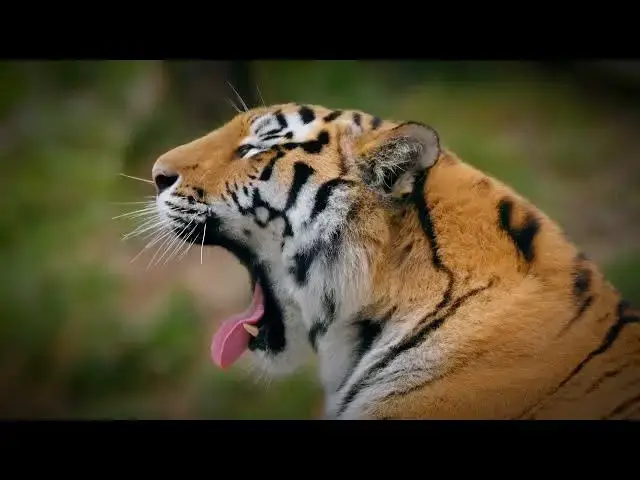
Explore how global warming impacts Bengal tigers beyond poaching and habitat loss. Learn about the effects on the Sundarbans ecosystem, prey distribution, human-tiger conflicts, and breeding patterns. Discover ongoing conservation efforts and the importance of addressing climate change to protect these iconic big cats.
Show More Show Less View Video Transcript
0:00
climate change a hidden threat to Bengal
0:03
tigers Bengal tiger an iconic symbol of
0:08
power and Beauty in the animal kingdom
0:10
faces a formidable threat that extends
0:13
far beyond poaching and habitat
0:15
loss climate change a global phenomenon
0:19
reshaping our planet is now directly
0:22
impacting the survival of these majestic
0:25
creatures as our world warms the
0:28
delicate balance of ecosystems is
0:31
disrupted and nowhere is this more
0:34
evident than in the
0:35
sundarbans the largest mango forest in
0:38
the world and home to the largest
0:41
population of Bengal
0:43
tigers this unique habitat straddling
0:47
the border of India and Bangladesh is
0:50
experiencing profound changes due to
0:53
Rising temperatures and sea
0:55
levels the sundaran a low-lying region
1:00
is particularly vulnerable to sea level
1:03
rise as the waters encroach upon the
1:05
land the tiger's habitat
1:08
shrinks saltwater intrusion is altering
1:11
the vegetation affecting the entire food
1:14
chain upon which the Tigers
1:17
depend freshwater ponds crucial for the
1:20
Tigers and their prey are becoming
1:22
increasingly saline reducing available
1:25
drinking water climate change is also
1:28
altering the abundance and distribution
1:31
of the Bengal tiger prey
1:34
species as temperatures rise and
1:36
rainfall patterns shift the populations
1:39
of deer wild warar and other animals the
1:42
Tiger's hunt are
1:44
changing some prey species are migrating
1:47
to new areas or declining in numbers
1:50
forcing the Tigers to adapt or face food
1:53
scarcity perhaps one of the most
1:56
concerning impacts is the increase inum
2:00
tiger
2:02
conflict as rising sea levels and
2:04
extreme weather events destroy Coastal
2:07
Villages people are moving further
2:10
Inland encroaching on tiger
2:13
territories this proximity leads to more
2:16
frequent and dangerous encounters
2:18
between humans and tigers often
2:21
resulting in casualties on both
2:24
sides the changing climate is also
2:26
affecting the Tiger's breeding patterns
2:30
extreme weather events like Cyclones
2:34
which are becoming more frequent and
2:36
intense due to climate change can
2:38
destroy Dean sites and separate mothers
2:41
from their
2:42
cups this disruption to the breeding
2:45
cycle could have long-term consequences
2:48
for Tiger
2:49
populations conservation efforts are
2:52
underway to mitigate these
2:54
impacts scientists and
2:58
conservationists are working to to
3:00
create climate resilient
3:03
habitats including elevated areas that
3:06
can serve as refugees during
3:09
floods there are also initiatives to
3:12
restore Mangrove forests which not only
3:15
provide habitat for Tigers but also act
3:18
as natural barriers against rising sea
3:21
levels and Storm
3:24
surges however the most crucial action
3:27
in protecting the Bengal tiger from
3:29
climate change impacts is addressing the
3:32
root cause global greenhouse gas
3:35
emission reducing our carbon footprint
3:38
transitioning to renewable energy
3:40
sources and supporting sustainable
3:43
development practices are all vital
3:45
steps in mitigating climate change and
3:48
preserving the habitats of species like
3:50
the Bengal tiger the plight of the
3:53
Bengal tiger in the face of climate
3:56
change serves as a stark reminder of the
3:59
the
4:00
interconnectedness of our Global
4:03
ecosystem the fate of these magnificent
4:06
creatures is inextricably linked to our
4:09
own actions and
4:10
choices by taking decisive action on
4:14
climate change we not only secure a
4:17
future for the Bengal tiger but for
4:19
countless other species and indeed for
4:23
ourselves
#Green Living & Environmental Issues
#Pets & Animals
#Wildlife
#Ecology & Environment
#Climate Change & Global Warming