0:00
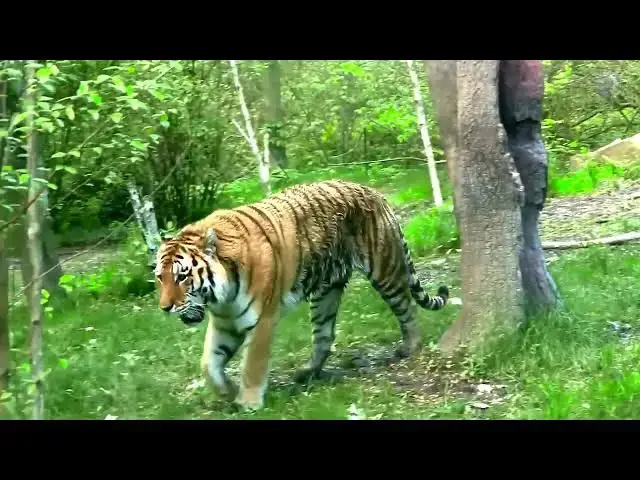
climate change forces Tigers to alter
0:04
pattern Tigers The Majestic big cats of
0:08
Asia are facing a new
0:10
threat climate change is reshaping their
0:13
world forcing these endanger animals to
0:17
alter their age-old migration
0:20
patterns this shift is not just a change
0:23
in routine it's a matter of survival for
0:26
one of Earth's most iconic
0:28
Predators tradition Al Tigers roam vast
0:32
territories covering hundreds of square
0:35
kilometers their movements are dictated
0:38
by the availability of prey water
0:40
sources and suitable Denning
0:43
sites these patterns have evolved over
0:46
thousands of years finely tuned to the
0:49
seasonal rhythms of their diverse
0:51
habitats from the snowy Landscapes of
0:53
Siberia to the mangrove swamps of the
0:57
sarbans however climate change is
1:00
rapidly altering these
1:02
habitats Rising temperatures are causing
1:05
shifts in vegetation patterns affecting
1:08
the distribution of tiger prey
1:11
species extreme weather events such as
1:14
prolonged droughts and intense flooding
1:17
are becoming more frequent disrupting
1:19
the delicate balance of tiger
1:22
ecosystems as a result tigers are being
1:25
forced to adapt their migration
1:28
patterns in some areas they're moving to
1:30
higher elevations in search of cooler
1:32
temperatures and more abundant
1:35
prey in others they're venturing into
1:38
human dominated Landscapes as their
1:41
traditional territories become less
1:44
hospitable this shift is particularly
1:47
noticeable in coastal regions where
1:50
rising sea levels are inundating
1:52
low-lying areas shrinking available
1:56
habitat these changes in migration
1:59
patterns have far-reaching
2:02
consequences tigers are coming into more
2:05
frequent contact with humans leading to
2:09
conflict their new Rangers may not
2:11
provide the same quality of resources
2:14
potentially affecting their breeding
2:16
success and overall population Health
2:20
moreover as apex predators changes in
2:24
Tiger behavior Can Cascade through
2:27
entire ecosystems all altering the
2:32
species conservation efforts are
2:35
adapting to these new
2:37
challenges Wildlife corridors are being
2:40
established to facilitate safer tiger
2:42
movement between fragmented
2:45
habitats conservationists are working
2:47
with local communities to reduce human
2:50
tiger conflict in areas where tigers are
2:54
appearing for the first time there's
2:57
also a growing focus on climate
2:59
resilient conservation strategies which
3:02
aim to protect and restore habitats that
3:05
can withstand the impacts of climate
3:07
change the alteration of tiger migration
3:11
patterns due to climate change is a
3:13
stark reminder of the far-reaching
3:18
warming it underscores the urgent need
3:20
for comprehensive climate
3:23
action by addressing climate change
3:26
we're not just protecting Tigers but
3:28
preserving the intricate Web of Life
3:31
that depends on these magnificent
3:33
creatures the fate of the tiger a symbol
3:37
of wild nature is inextricably linked to
3:40
our own response to the climate crisis