live_tv
Livestream Starting Soon
00
Hours
:
00
Minutes
:
00
Seconds
Up next in 10


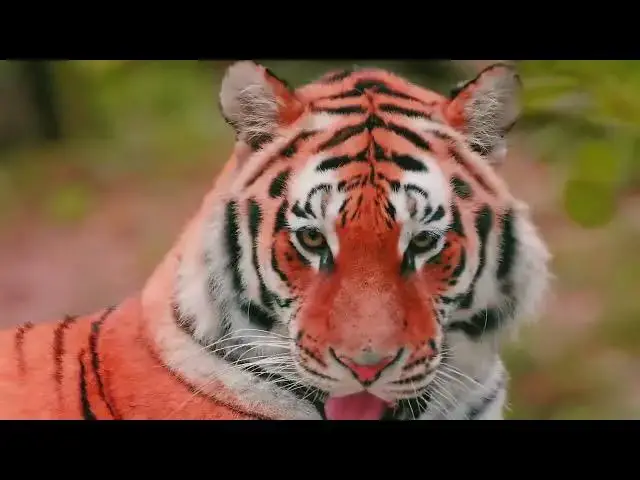
Discover how artificial light from urban areas affects tigers' behavior, hunting, and survival. Learn about conservation efforts to protect these magnificent predators from the unexpected consequences of human development on wildlife habitats.
Show More Show Less View Video Transcript
0:00
City Lights threaten Tigers the hidden
0:03
impact of light pollution in the quiet
0:06
of the night far from bustling City
0:08
centers an unexpected threat looms over
0:11
one of Nature's most magnificent
0:14
Predators the artificial glow from urban
0:17
areas is silently altering the lives of
0:20
tigers showcasing an unforeseen
0:23
consequence of human development on
0:25
Wildlife light pollution the excessive
0:28
or misdirected AR artificial light
0:30
produced by human activities extends far
0:33
beyond City
0:35
Limits this phenomenon reaches into
0:37
natural habitats including those of
0:40
tigers creating a Cascade of effects
0:43
that disrupt their natural behaviors and
0:46
threaten their
0:47
survival Tigers like many nocturnal and
0:51
crepuscular animals have evolved to
0:53
thrive in lowlight
0:55
conditions their eyes highly adapted for
0:58
hunting in the dim light of Dusk and
1:01
Dawn are particularly
1:03
sensitive the intrusion of artificial
1:06
light into their environment forces
1:09
these big cats to alter their natural
1:12
rhythms and
1:14
behaviors one of the most significant
1:16
impacts is on Tiger's hunting
1:20
patterns these apex predators rely on
1:24
the cover of Darkness to stalk and
1:26
Ambush their
1:28
prey artificial light penetrating their
1:31
habitat can make them more visible to
1:34
potential prey reducing their hunting
1:38
success this not only affects the
1:40
Tiger's ability to feed themselves but
1:43
can also lead to changes in the entire
1:46
ecosystem as prey animal behaviors and
1:50
populations shift in
1:52
response The Mating behaviors of tigers
1:55
are also influenced by artificial light
1:59
many animals including Tigers use the
2:01
natural light cycles of the moon and
2:04
stars to time their breeding
2:06
Seasons the constant presence of
2:09
artificial light can confuse these
2:12
natural cues potentially leading to
2:14
mtime breeding attempts or reduced
2:17
mating
2:19
success this disruption can have
2:21
long-term consequences for Tiger
2:24
populations especially for species
2:26
already facing threats from habitat loss
2:29
and po ing migration and movement
2:32
patterns of tigers are another area of
2:36
concern Tigers often travel long
2:39
distances particularly when establishing
2:42
new territories or searching for
2:44
mates artificial light can create
2:47
barriers deterring tigers from entering
2:50
certain areas or altering their natural
2:52
movement
2:54
corridors this fragmentation of habitat
2:57
can lead to isolated populations
3:00
reducing genetic diversity and
3:02
increasing the risk of local
3:05
extinctions conservation efforts are now
3:07
beginning to address the issue of light
3:10
pollution in Tiger
3:12
habitats some initiatives focus on
3:15
creating dark sky reserves areas where
3:18
artificial light is strictly limited to
3:21
preserve natural nighttime
3:23
environments other approaches involve
3:26
using Wildlife friendly Lighting in
3:28
areas bordering tiger habitats such as
3:31
amber colored lights that are less
3:33
disruptive to nocturnal
3:36
animals urban planners and policy makers
3:39
are also being encouraged to consider
3:41
the impact of artificial light on
3:43
Wildlife when designing and managing
3:46
cities near tiger
3:48
habitats this includes implementing
3:51
smart Lighting systems that can be
3:53
dimmed or turned off during critical
3:56
hours and using directional lighting
3:59
that minimize is light spill into
4:01
natural
4:02
areas the challenge of protecting tigers
4:05
from the effects of artificial light
4:07
highlights the complex
4:09
interconnectedness of our world as we
4:12
continue to expand our urban areas we
4:15
must find ways to coexist with the
4:17
natural
4:18
world balancing the needs of human
4:22
development with the preservation of
4:23
wildlife habitats is crucial not just
4:27
for Tigers but for the health of of our
4:30
entire planet by understanding and
4:33
addressing the impact of our city lights
4:35
on Tigers we take a step towards a more
4:38
harmonious relationship between human
4:40
progress and nature
4:43
conservation it's a reminder that our
4:45
actions even those as seemingly
4:47
innocuous as turning on a light can have
4:50
far-reaching consequences for the
4:52
Magnificent creatures with whom we share
4:55
this Earth
#Pets & Animals
#Wildlife
#Ecology & Environment