Up next in 10


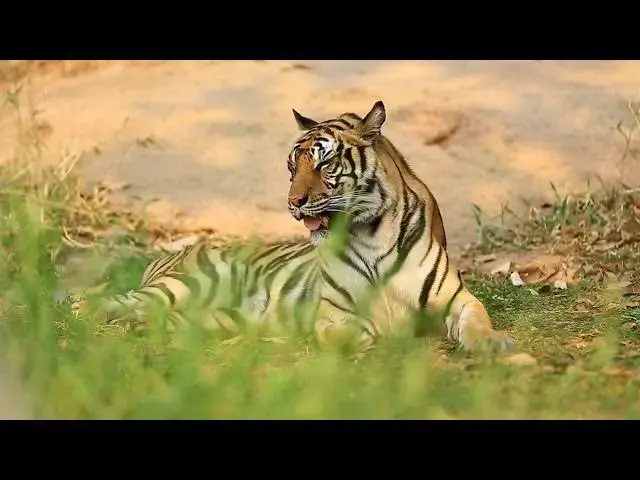
Explore how tiger training for movies and TV has changed over time. Learn about current positive reinforcement techniques, safety measures, and the growing use of CGI and other alternatives to live animals in entertainment.
Show More Show Less View Video Transcript
0:00
tiger training for film from old methods
0:03
to Modern
0:05
Alternatives tigers have long captivated
0:08
audiences on the big and small screens
0:11
their Majestic presence adding
0:13
excitement and wonder to countless
0:17
Productions but how exactly are these
0:20
powerful Predators trained to perform on
0:23
Q the answer involves a complex blend of
0:27
science patience and evolving ethical
0:31
standards the use of tigers in
0:33
entertainment dates back to the early
0:35
days of
0:36
Cinema in the past training methods were
0:40
often harsh and prioritize spectacle
0:42
over Animal
0:44
Welfare trainers would use fear and
0:46
dominance to control the animals a
0:49
practice now widely
0:51
condemned today the approach to training
0:55
tigers for movies and TV shows has
0:57
undergone a significant transformation
1:01
modern animal trainers emphasize
1:04
positive reinforcement
1:06
techniques this involves rewarding
1:08
desired behaviors with treats praise or
1:11
playtime creating a bond of trust
1:14
between the trainer and the
1:16
tiger the training process begins when
1:19
tigers are very young trainers spend
1:23
countless hours socializing the Cubs
1:26
getting them accustomed to human
1:28
presence and various envir
1:30
environments as the Tigers grow they
1:33
learn basic commands through repetition
1:35
and
1:36
reward more complex behaviors are broken
1:39
down into smaller manageable
1:42
steps it is crucial to understand that
1:45
tigers can never be fully
1:48
domesticated they retain their wild
1:50
instincts making safety the top priority
1:53
on any set involving these
1:56
animals strict Protocols are always in
1:59
place
2:00
these include having experienced
2:02
handlers present at all times using
2:05
protective barriers and limiting direct
2:08
contact between tigers and
2:11
actors despite these precautions the use
2:14
of live tigers in entertainment remains
2:17
controversial many Animal Welfare
2:20
organizations argue that no amount of
2:22
training can replicate a tiger's natural
2:25
habitat or fulfill its innate needs
2:30
as a result there has been a growing
2:32
Trend towards using
2:34
Alternatives computer generated imagery
2:38
or CG has become increasingly
2:42
sophisticated allowing filmmakers to
2:44
create realistic tiger performances
2:47
without using live
2:49
animals some Productions use
2:51
animatronics or highly detailed costumes
2:54
worn by human
2:56
performers these methods eliminate the
2:59
risk s associated with live tigers and
3:03
offer more creative
3:05
control the future of tigers in movies
3:07
and TV shows is likely to involve a
3:10
combination of these
3:12
approaches while some Productions may
3:14
continue to use carefully trained live
3:16
tigers for certain scenes the industry
3:19
is moving towards more ethical and
3:21
technologically advanced
3:24
Alternatives as our understanding of
3:26
animal cognition and Welfare continues
3:29
to evolve
3:30
so too will our approach to featuring
3:32
these magnificent creatures in
3:35
entertainment the goal is to strike a
3:38
balance between creating compelling
3:41
content and ensuring the well-being and
3:44
dignity of the animals involved
#Movies
#TV & Video
#Outdoors
#Pets & Animals
#Wildlife
#Animated Films
#Documentary Films
#Hunting & Shooting
#Animal Welfare
#Animal Products & Services