Up next in 10


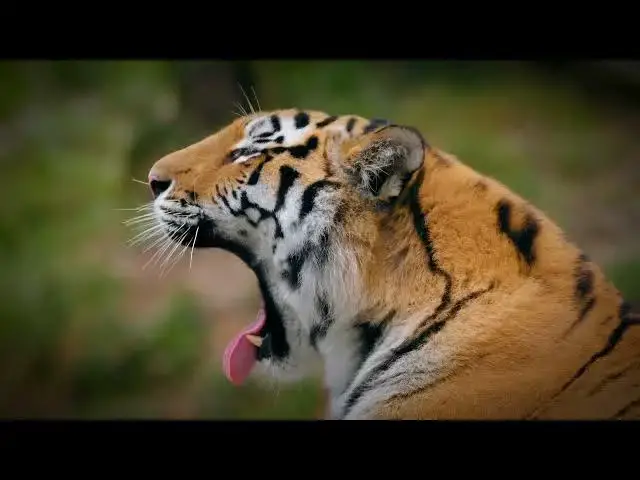
Explore how global warming impacts tiger populations, from altering habitats to increasing human-wildlife conflict. Learn about the challenges tigers face in a changing climate and the conservation efforts aimed at protecting these iconic big cats.
Show More Show Less View Video Transcript
0:00
climate change a new threat to Tiger
0:03
survival
0:06
Tigers The Majestic big cats that have
0:09
captured our imagination for centuries
0:11
now face a threat Beyond poaching and
0:14
habitat
0:15
loss climate change has emerged as a
0:18
significant risk to their
0:20
survival but how exactly does a warming
0:23
Planet endanger these iconic
0:26
Predators Tigers once roed across vast
0:30
SS of Asia from Turkey to the eastern
0:33
coast of
0:34
Russia Today their range has shrunk
0:38
dramatically with only about
0:40
3,900 wild tigers remaining in
0:43
fragmented habitats across 13
0:47
countries these habitats include
0:50
mangrove swamps grasslands tropical and
0:55
subtropical
0:56
forests climate change affects these
0:59
diverse ecosystems in various
1:02
ways Rising temperatures alter
1:05
vegetation patterns affecting the
1:07
distribution and abundance of prey
1:09
species that Tigers depend on extreme
1:13
weather events like floods and droughts
1:17
which are becoming more frequent and
1:19
severe due to climate change can destroy
1:22
tiger habitats and reduce prey
1:25
availability one of the most immediate
1:28
threats to tigers from climate change
1:29
range is the rise in sea
1:32
levels this is particularly concerning
1:35
for the Bengal tigers in the sarens a
1:38
vast mangrove forest spanning parts of
1:41
India and
1:43
Bangladesh as sea levels rise saltwater
1:47
intrusion is altering the delicate
1:49
balance of this unique
1:52
ecosystem it's estimated that sea level
1:54
rise could destroy nearly all tiger
1:57
habitat in the Sans by TR
2:00
100 climate change also exacerbates
2:03
human tiger
2:05
conflict as traditional prey become
2:08
scarcer due to Habitat changes Tigers
2:11
may be forced to venture closer to human
2:13
settlements in search of
2:15
fool this increases the risk of
2:18
encounters between tigers and people
2:21
often leading to retaliatory killings of
2:24
tigers moreover climate change induced
2:27
alterations in vegetation can affect
2:30
tiger breeding patterns and Cub survival
2:33
rates changes in temperature and
2:36
rainfall patterns can impact the
2:38
availability of water and suitable Den
2:41
sites crucial for Tiger reproduction and
2:44
Cub
2:45
rearing conservation efforts are
2:47
underway to address these
2:50
challenges these include creating
2:52
Wildlife corridors to allow Tigers to
2:55
move between fragmented habitats
2:58
implementing stricter and anti- poaching
3:00
measures and working with local
3:02
communities to reduce human tiger
3:06
conflict however these efforts must now
3:09
also consider the impacts of climate
3:12
change addressing climate change is
3:15
crucial for Tiger
3:17
conservation this involves both Global
3:20
efforts to reduce greenhouse gas
3:21
emissions and local initiatives to
3:24
enhance the resilience of tiger
3:27
habitats protecting and restoring ing
3:30
forests not only benefits Tigers but
3:33
also helps mitigate climate change by
3:36
sequestering
3:38
carbon the fate of tigers in the face of
3:41
climate change serves as a stark
3:43
reminder of the far-reaching impacts of
3:46
global
3:47
warming as we work to protect these
3:50
magnificent creatures we're also
3:52
fighting for the preservation of entire
3:55
ecosystems and the countless species
3:57
that inhabit them
3:59
challenge of saving tigers from climate
4:02
change underscores the urgent need for
4:05
comprehensive action to address global
4:07
warming and protect our planet's
4:09
biodiversity
#Pets & Animals
#Wildlife
#Ecology & Environment
#Climate Change & Global Warming
#Zoos, Aquariums & Preserves